
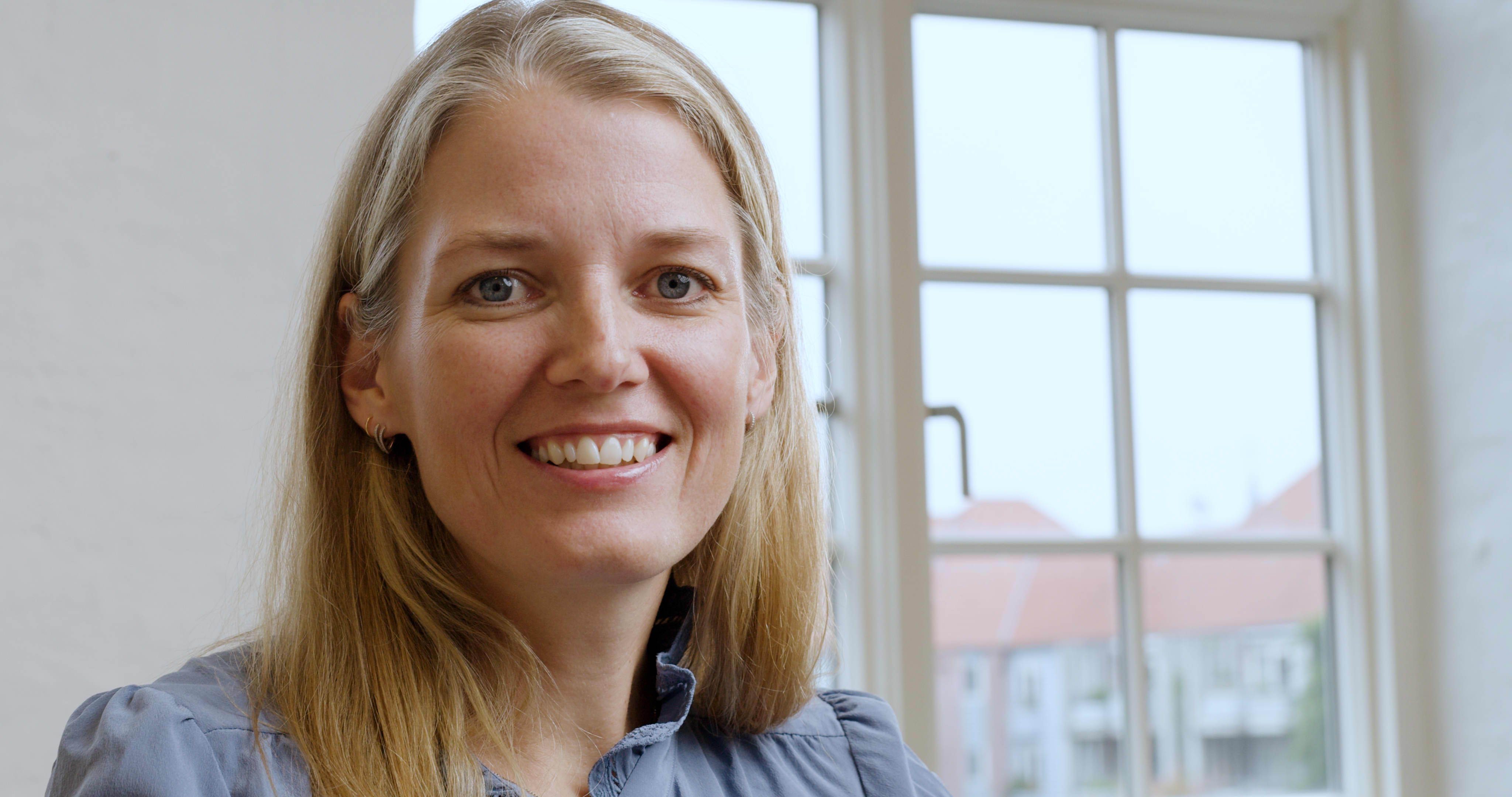
David Niles will go to great lengths, or depths, to save food from going to waste: Sometimes, the 63-year-old goes dumpster diving near his home in Brooklyn, New York. The far more sanitary digital version, Niles says, is an app called Too Good To Go, where retailers like restaurants and bakeries sell "surprise bags" of leftover food at discounted prices, usually between $3.99 to $9.99 apiece in the U.S. He has spent nearly $10,000 to pick up almost 2,000 surprise bags on his bicycle over the past four years. Too Good To Go, a Copenhagen-based company founded in 2015, brought in just under $162 million in revenue in U.S. dollars last year, according to documents reviewed by CNBC Make It — primarily by taking a cut of each surprise bag purchase and collecting annual membership fees from retailers. In the U.S., the company typically takes $1.79 per bag and charges an annual membership fee of $89. Publicly, Too Good To Go's mission is to help reduce global food waste, a problem that costs the world $1 trillion per year. The company has yet to enjoy a profitable year, instead reinvesting its cash flow into expanding geographically, adding new retailers to its app, and acquiring other startups. "We do want to run a profitable company," says CEO Mette Lykke, who notes that her business earned $8 million last year before subtracting one-time costs. "If we really wanted to, we could go more hardcore for profitability. But again, it’s not really why we’re here," she adds. Too Good To Go was originally founded by a group of five Danish entrepreneurs: Thomas Bjørn, Stian Olesen, Klaus Bagge Pedersen, Brian Christensen, and Adam Sigbrand. Lykke joined its first funding round in 2016 as an angel investor and later became its CEO. One of her first acts was to examine the startup's finances, which were in poor shape, leading her to reconsider the role. Lykke’s first step toward growth was a contraction, shutting down operations in four of the 10 countries it had expanded to too quickly without a solid business model. Since then, Lykke re-expanded the company to include grocery services, software for food retailers, and presently 100 million users across 19 countries. The app arrived in the U.S. in 2020 and now hosts retailers in 33 U.S. metro areas. Retailers don’t profit hugely from Too Good To Go sales, but some income is better than throwing their extra food away, and many users have become regular customers. Critics worry about the app's potential to falsely represent environmental responsibility, but estimates suggest that if every retailer used similar markdown mechanisms, they could save one million tons of food annually. A profitable, eco-friendly approach cannot guarantee Too Good To Go's future, as retailers might establish similar programs, but Lykke remains confident in the business model, emphasizing execution as key to success.
Source