
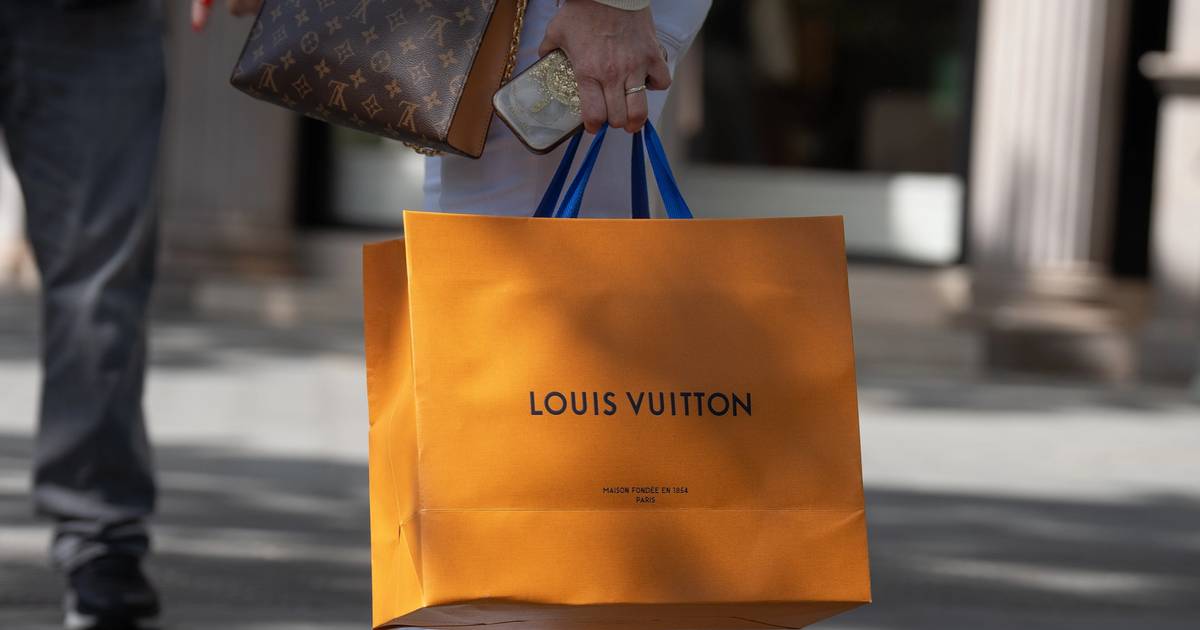
Luxury retailers need to hold on to both heritage and cultural fluency to stay afloat. The question many luxury retailers face today is: Who is the customer? With luxury experiencing a downturn, it's clear that ultra-high-net-worth clients alone are insufficient for maintaining profitability. The aspirational consumer has emerged as a critical demographic that brands are eager to connect with, yet many have overlooked the fact that this group is financially vulnerable to economic changes. According to Mrin Nayak from the Boston Consulting Group, brands have potentially 'over-democratized' their offerings in efforts to attract new clients. Brands that have gained a significant share of aspirational luxury consumers are now seeing the most struggles, indicating a disconnect with younger consumers. Notably, Gucci has faced multiple changes in leadership and creative direction but continues to underperform, while heritage brands like Hermès have managed to keep consumer attention despite minimal marketing efforts. Maintaining a strong sense of exclusivity along with heritage is essential for brand relevance, as Nayak outlines the importance of strategy in this regard. Creating an emotional connection with consumers through cultural platforms is also vital, as brands should navigate the balance between accessibility and exclusivity in marketing strategies. Engaging with contemporary culture is crucial for bridging connections with both aspirational and high-net-worth customers. Retailers are turning to experiences, such as restaurants and hotels, to foster community and enhance consumer loyalty. The core lesson for luxury retailers is to identify their primary customer base and ensure they remain connected with them to avoid losing relevance in a competitive landscape.
Source