
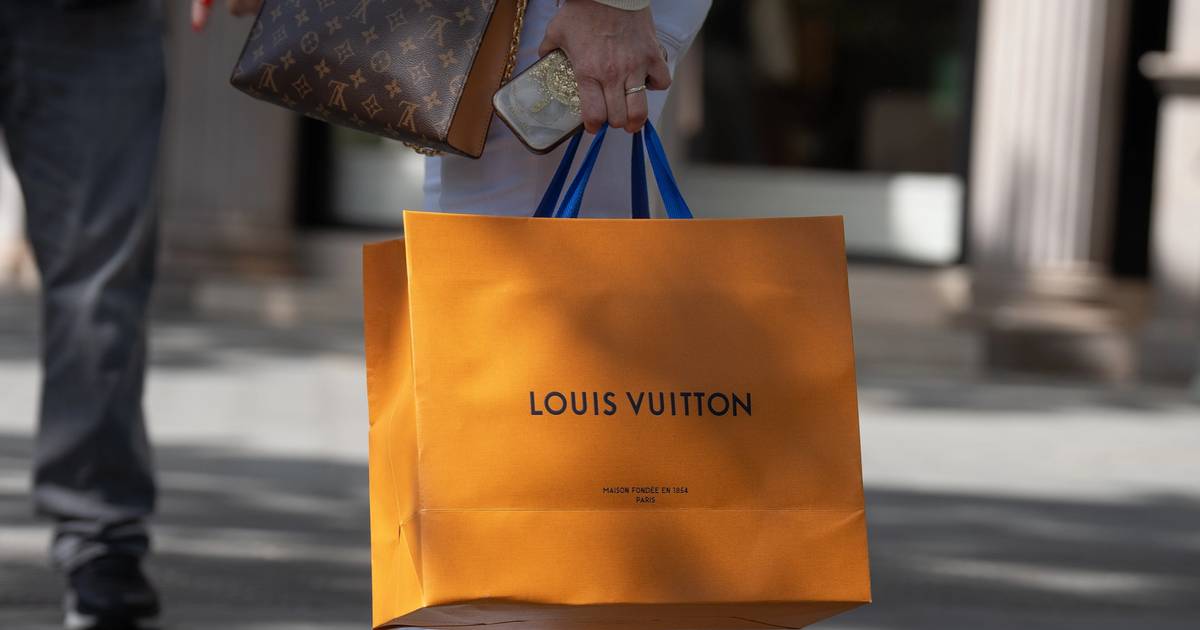
Luxury retailers today face a pressing question: Who is their customer? As the luxury market experiences a downturn, it's clear that catering exclusively to ultra-high-net-worth individuals is insufficient for sustained profitability. This has led to a focus on the aspirational consumer—a demographic that many brands have attempted to attract. However, Mrin Nayak of Boston Consulting Group warns that the aspirational consumer, often financially insecure, represents a limited resource. Brands have expanded their reach, perhaps excessively, trying to connect with these new clients. Nayak asserts that a notable decline in luxury sales is observed among brands with a significant share of aspirational consumers, indicating they are losing ground with younger shoppers who seek engagement but feel disconnected from these brands' offerings.
Gucci exemplifies the challenges facing luxury retailers, having undergone numerous changes yet continuing to falter. In contrast, brands like Hermès have thrived despite minimal marketing efforts, maintaining allure through a strong heritage and crafted exclusivity. Nayak highlights the essential balance between exclusivity and emotional connection with consumers. Luxury brands must engage with modern cultural platforms to resonate with today’s audience while ensuring their heritage and craftsmanship maintain their identity. This has implications for both marketing strategies and product development, as maintaining relevance requires authentic engagement with both aspirational and affluent consumers through experiences that go beyond traditional luxury offerings.