
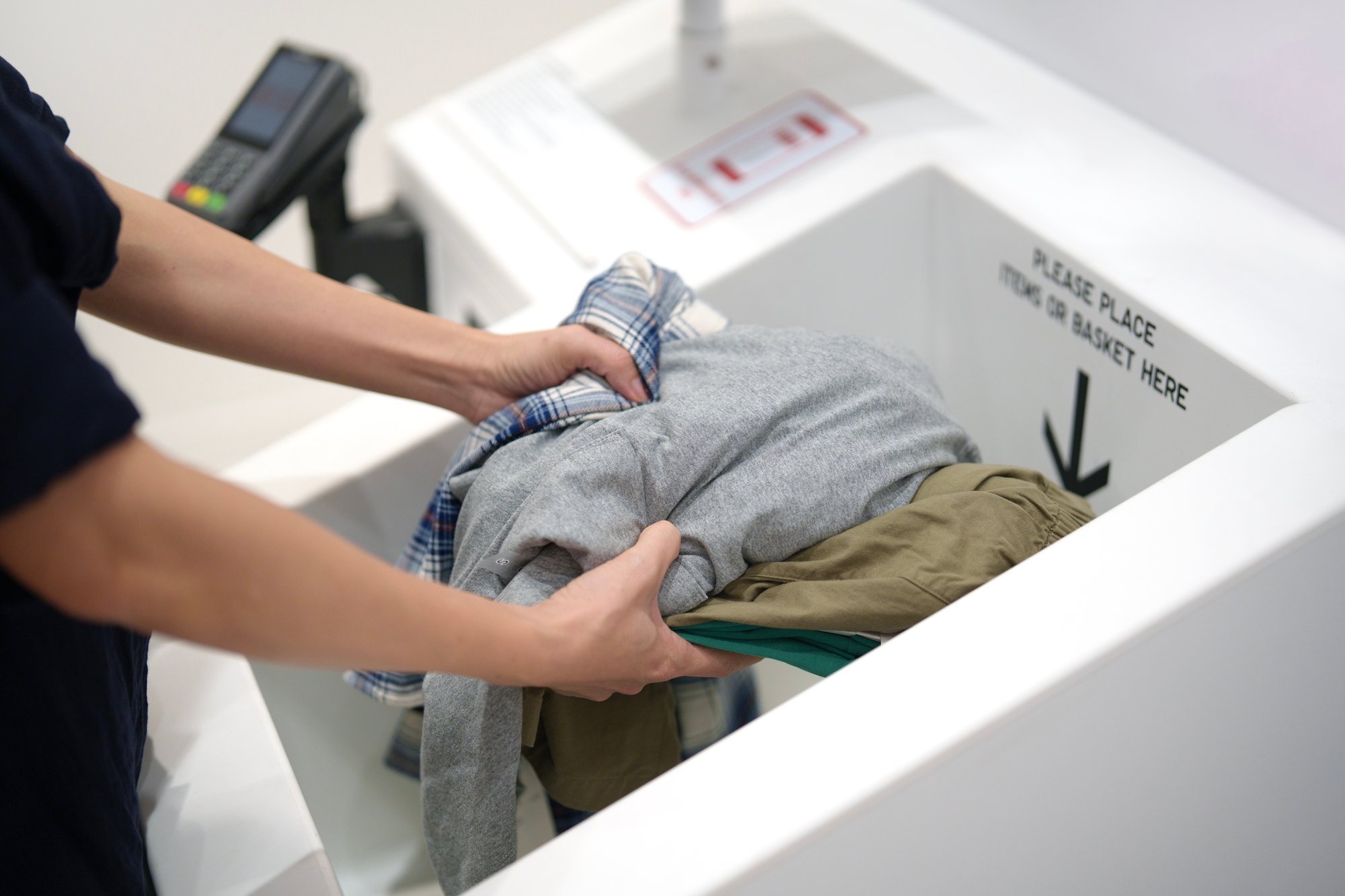
In-store experiences at their best can make consumers' lives easier or more enjoyable, possibly through a seamless checkout process or an experiential atmosphere. Often, technology can be a useful assist here, but it can also serve as a distraction if retailers chase whatever the shiny object of the day is instead of investing thoughtfully to meet shoppers' real needs. Today, generative AI is the buzzword and retailers have found numerous use-cases for it across various efforts, including employee staffing levels and personalized gift finders. Retailers like Target and Walmart have touted the technology's usefulness in assisting staff with customer requests in stores, and there’s a growing excitement about AI’s potential to take over mundane tasks from employees.
As with all things, trends in retail technology tend to rise and fall unexpectedly. Take QR codes, for instance, which gained popularity during the pandemic after being largely ignored for decades. Yet, retailers can't lose sight of basic elements of the in-store experience, like adequate staffing, engaging merchandising displays, and helpful employees. The needs of specific sectors may influence how retailers approach the physical store, whether it's about incorporating complementary shop-in-shop partners, opening food concessions, or integrating visualization technology.
In this article, we will explore how retailers are conceptualizing the in-store experience, encompassing areas from payments to experiential retail and sector-specific trends. As always, we will keep an eye on how these facets evolve over time.