
Ascena, the owner of Ann Taylor and Lane Bryant, last year pushed back on the notion that it was anywhere near bankruptcy. Its interim board chief in October pointed to its "large iconic brands and a business with significant liquidity," and it doubled down on that as recently as March. That didn't last.
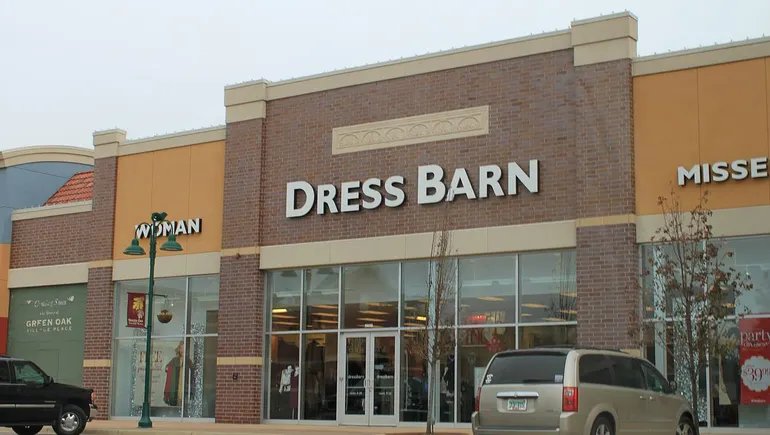
The company is restructuring under Chapter 11, filing documents on Thursday in the U.S. Bankruptcy Court for the Eastern District of Virginia that include a restructuring support agreement with more than 68% of its secured term lenders, $150 million in a new term loan from existing lenders, and a plan "to significantly reduce debt" by about $1 billion, according to a company press release. It won't emerge unscathed. After shutting down its discount banners last year and liquidating Dressbarn and all its 544 stores, Ascena is now further dismantling its offerings. This includes selling its Catherine's plus-size banner to online plus retailer City Chic and closing all Catherine's stores.
Stores run by its Justice tween brand will likely close as well, with a significant number expected. The overall number of store closures across any of the brands is still to be determined, but the company seems to be leaving its premium brands — Ann Taylor, Loft, Lou & Grey — and its Lane Bryant plus brand more or less intact. Hope for turning the business around was dashed by the COVID-19 pandemic, which forced its stores shut and drastically reduced demand as people needed fewer clothes in an uncertain work-from-home economy.
Sales at all Ascena's banners steadily tumbled well before COVID-19 came into play. In 2019, the company recorded a net sales decline to $5.49 billion from $5.57 billion in 2018. Operating losses widened to $681.4 million in 2019 from $88.9 million in 2018. The last half-year's operating losses were $125.8 million, coupled with more than $1.2 billion of long-term debt, according to GlobalData Retail. Lee Peterson, an executive at WD Partners, commented, "They built their own coffin."
Roslyn Jaffe founded Dress Barn in 1962, creating a space for working mothers. The brand grew into a chain, and it eventually morphed into "Ascena" in the 21st century, acquiring other brands including Justice in 2009 and Lane Bryant in 2012. However, the massive $2.15 billion acquisition of Ann Inc. in 2015 turned into a headache, reflecting disappointing sales and an investor lawsuit.
The COVID-19 crisis exacerbated Ascena's woes, leading the retailer to furlough employees and temporarily close all 2,800 stores across the U.S., Canada, and Puerto Rico. The leverage from past acquisitions has become a burden. The apparel industry overall is struggling as consumer discretionary spending has evolved, with many working from home and dressing more casually.
The restructuring under Chapter 11 does offer a chance to re-evaluate strategies, but it appears Ascena is not seizing the opportunity. CEO Gary Muto stated that the company's aim is to uphold iconic brands such as Ann Taylor and Lane Bryant, emphasizing their long-term potential. However, some experts criticize this focus, stating that without a clear identity, these brands may struggle to attract customers.
The declining demand for its apparel adds to Ascena's issues, especially as the brand faces quality and fit challenges. Consumers are increasingly prioritizing casual wear and upgrading their homes, rather than spending on traditional business attire. Observing consumer preferences and strategizing accordingly could prove critical for the future of Ascena amid the continuing downturn in apparel sales.