
Given the number of beer brands vying for consumers’ attention, you’d be forgiven for thinking that customers are happy to switch between options at the drop of a hat, writes CMO at Happydemics, Virginie Chesnais. However, businesses in the alcohol industry command fierce loyalty from their fans. Guinness drinkers, for example, will passionately defend their right to “split the G”. Meanwhile, Corona enthusiasts won’t be happy unless their drink is accompanied by a slice of lime. More often than not, this loyalty goes unrewarded, until now.
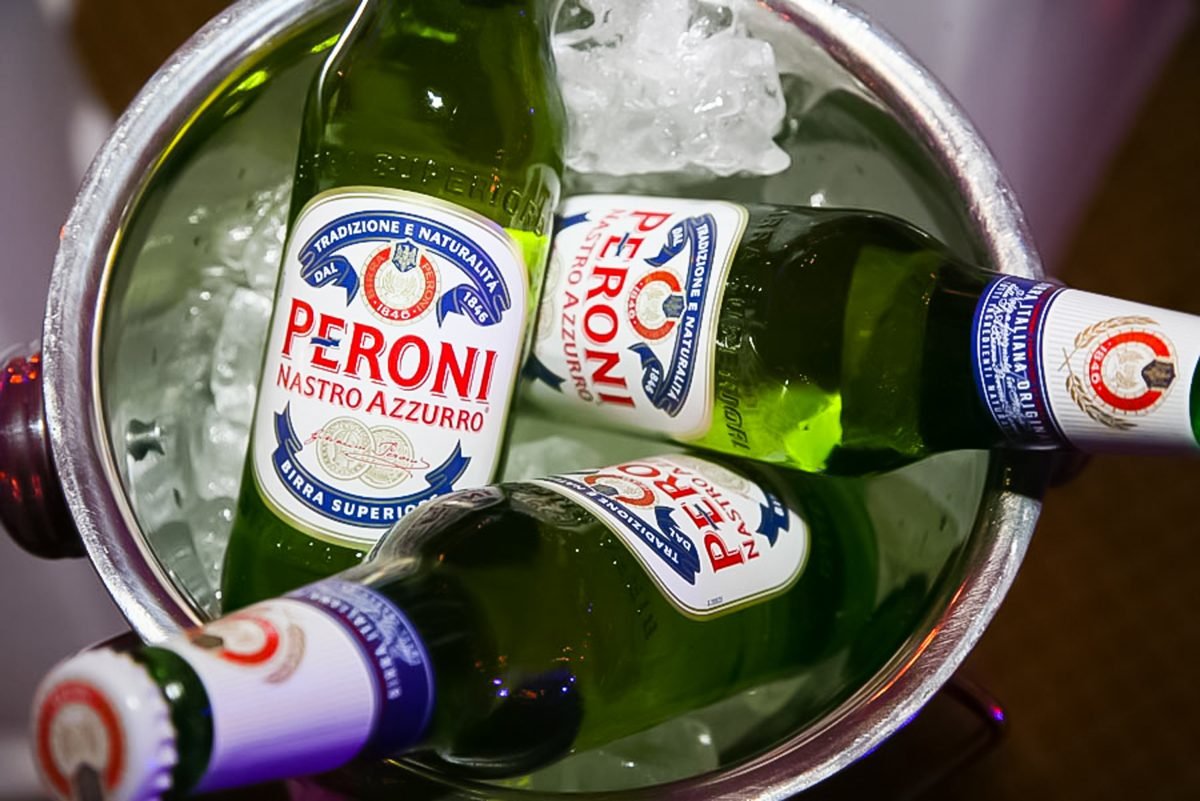
In a bid to give back to its community, Peroni has taken the unprecedented step of creating a loyalty programme. ‘Club Peroni’ allows consumers to earn points by purchasing packs of beer in retail and hospitality establishments or ordering a pint at the bar and uploading either a receipt or a photo of themselves with the product. While there are Peroni-branded prizes up for grabs (including the Italian brand’s 0% beer), it is the integration of partner rewards that makes the programme stand out from the crowd. Ferrari merchandise and BST Hyde Park tickets don’t just showcase Peroni’s high-profile brand partnerships; they create positive associations that are the foundation for deeper engagement, making them powerful brand-building assets.
It’s easy to dismiss loyalty initiatives as short-term sales drivers. While they certainly perform well in that regard, with over 70% of consumers saying they adjust their spending to maximize rewards, their impact extends much further if brands choose to look. What’s often underestimated is how these programs can contribute to durable brand growth. They have the potential to influence a wide spectrum of metrics over time: loyalty, awareness, brand preference, and purchase intent. By tracking these KPIs consistently, brands can gain a better understanding of how these activations perform beyond day-one numbers.
Immediate performance is important, but loyalty suggests a long game, one that unfolds across a brand’s entire ecosystem. To capture that, marketers should embrace broader measurement frameworks that reflect the evolving consumer relationship. That means looking at how the program lifts engagement, improves perception, and deepens relevance among key audiences.
Another misconception is that loyalty programmes must operate in isolation. In reality, best-in-class activations should be plugged into other channels across the broader marketing ecosystem. In Peroni’s case, this involves using experiences and apparel to spark a positive reaction, which in turn ignites engagement across paid, owned, and earned media.
However, it is the rich insights that loyalty programmes provide that should cause brands to cry out “Cheers.” From basic demographics like age and gender to more nuanced behaviours such as preferred rewards and sign-up methods, this data can supercharge digital campaign performance. Some brands may opt to use this information to refine their targeting strategies, revealing whether social media platforms like TikTok and Instagram or streaming services such as Netflix and Disney+ are most effective. Others may measure engagement to identify which creative assets resonate most with audiences.
Measuring the programme’s true value paves the way for greater personalisation. Given that McKinsey’s research found that 71% of consumers expect personalised experiences, this will pave the way to improving brand perception, strength, and loyalty over time.
So, how can brands accurately judge the effectiveness of a loyalty campaign? While short-term KPIs like redemption rates and sales are easy to measure, these metrics don’t tell the full story. Did brand awareness increase? Has purchase consideration improved? These questions can’t be answered if brands stick with a fragmented reporting model. A holistic measurement approach is required to unlock a loyalty programme’s full potential. Only by tracking results across multiple channels can they begin to understand the activation’s impact. Imagine how Peroni could follow this guidance and elevate its loyalty programme.
A shopper purchases a four-pack of Nastro Azzurro in a supermarket and, after spotting the ‘Club Peroni’ promotion and the potential rewards, they sign up. The next morning, they encounter two digital out-of-home (DOOH) ads that serve as timely reminders: an interactive billboard at their local tube station and a large-scale ad at the centre of Piccadilly Circus. That evening, they unwind with their favorite video game, only to encounter a subtle in-game reference to Peroni’s new loyalty scheme. Each of these touchpoints is designed to rekindle the consumer’s excitement and attention.
However, it requires Peroni to adhere to a unified, brand-led measurement system, without which it will be impossible to identify the channels most responsible for brand lift or influenced future sales. For marketers trying to optimize their ad spending and ensure every interaction fuels tangible, sustainable growth, the message is clear: prioritize the right measurement metrics. Do this, and it won’t be long before they’re raising a glass to the power of loyalty – and the equity it can brew.