
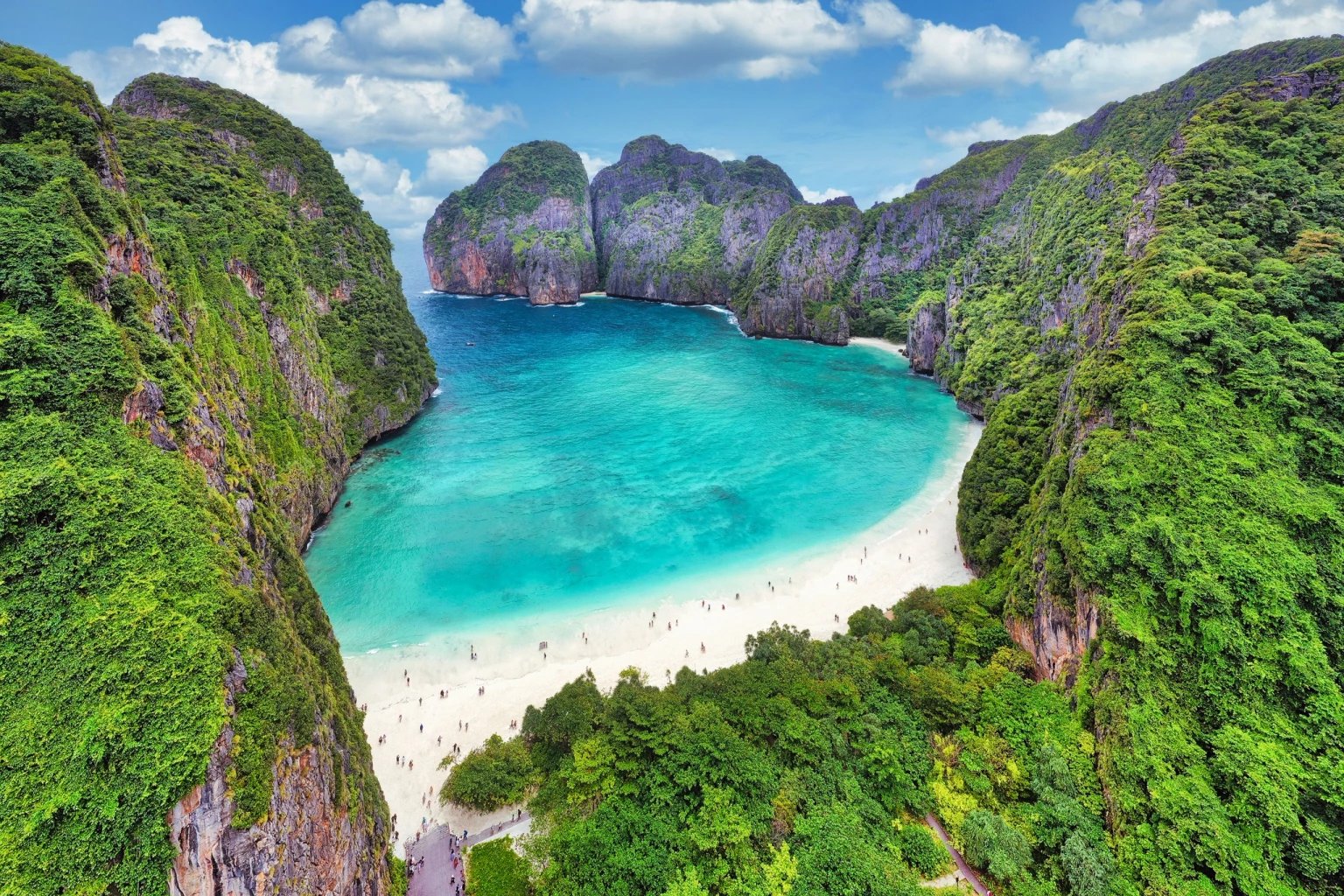
Whether it's simple bliss, easily accessible happiness through reconnecting with nature; indulgent bliss, pleasure found in pampering activities like cruises, spa treatments, and delicious cuisine; or serene bliss, inner peace cultivated through meditation, yoga, or ice baths, all of these can be experienced when travelling in Thailand. These align perfectly with the "Fresh Your Feel, Heal Your Soul" campaign, a journey that enriches life.
The Tourism Authority of Thailand invites tourism partners and the Thai public to embrace these three forms of holistic happiness: body, mind, and spirit. On this occasion, Apichai Chatchalermkit, Deputy Governor for Domestic Marketing at the Tourism Authority of Thailand (TAT), shares insights, trends, and perspectives on global wellness tourism, a growing interest among modern travellers seeking health-focused trips that enhance quality of life alongside exploration.
Thai travellers also adopt this mindset, embracing travel patterns supporting sustainable tourism. When it comes to wellness tourism, a global travel trend, Thailand stands out for several key reasons. First, Thai hospitality, the kindness and service-oriented nature of Thai people. Second, Thailand's wealth of local ingredients and food culture. Third, Thai wisdom, herbal remedies, and traditional massage practices that promote relaxation and healing. Fourth, the country’s abundant natural resources, from seas to forests to waterfalls.
These experiences can also be paired with cultural attractions like temples or community-based tourism. All these elements create a seamless blend that rejuvenates body, mind, and spirit, making Thailand uniquely suited for wellness tourism.
From a personal perspective, wellness tourism helps us truly unwind, recharge, and return to life with renewed energy. Beyond reducing stress, it also sparks inspiration and creativity. As for the economy, wellness tourism has become a vital driver. It appeals to increasingly health-conscious tourists. Entrepreneurs adapting to this trend, emphasizing wellness and nature, can unlock new value and income streams, benefiting local communities connected to the same ecosystem.
This form of tourism also aligns with sustainable principles, protecting the environment and passing on quality resources to future generations.
Thailand has an abundance of wellness tourism experiences. I would mention the mineral bath services in Ranong Province, a destination known for its health benefits: relaxation, stress relief, improved circulation, pain relief, skincare, and more. Ranong also offers diverse experiences: seafood dining, village visits, and immersion in the local way of life. For those seeking solitude and nature, hiking, birdwatching, or forest treks in Nan Province can be delightful.
National parks like Doi Phu Kha, Khun Nan, Khun Sathan, Tham Sa Kuea, and Sri Nan bring visitors close to wildlife and lush landscapes. One must-see is Phuket, which boasts stunning coastal views, white sand beaches, and holistic wellness services, making it easy to "Fresh Your Feel, Heal Your Soul."
I believe wellness tourism will continue to grow among both domestic and international travellers. People today seek more meaningful, high-quality travel. Wellness tourism, with its mix of relaxation, healthy cuisine, body movement, and immersion in nature, fits perfectly with sustainable tourism principles. It can also merge seamlessly with cultural tourism, creating an opportunity to generate income for local businesses, communities, and the nation.
I encourage Thai people to travel at a slower, more mindful pace, giving both body and mind a chance to heal. With wellness accommodations, spas, and diverse health activities, entrepreneurs should prepare to develop their services to support the growing demand for wellness tourism. Every business can evolve to be part of this trend, and the Tourism Authority of Thailand is here to support you with promotion, market connections, and growth opportunities.